Lorem ipsum dolor sit amet, consectetur adipiscing elit. Suspendisse varius enim in eros elementum tristique. Duis cursus, mi quis viverra ornare, eros dolor interdum nulla, ut commodo diam libero vitae erat. Aenean faucibus nibh et justo cursus id rutrum lorem imperdiet. Nunc ut sem vitae risus tristique posuere.
what others say about us
Trusted Transformations
At Lux Medical OC, patients in Orange County and Irvine trust us for personalized, natural-looking aesthetic care. Dr. Cyrus Sedaghat tailors each plan to your goals and comfort. Discover our patient reviews.
Theron B
Honestly was so terrified of looking overdone, but Dr Cyrus is an absolute specialist with Filler. My jawline looks insanely sharp and natural now, literally best injector in Irvine hands down.
Filler
Xenia T
Drove down from north Orange County just to get my lip Filler done here and I have zero regrets. The clinic is gorgeous, Dr Cyrus took his time to map everything out, and my lips look so plump and subtle!
Filler
Evander M
If you need under-eye Filler, do not go anywhere else. Dr Cyrus completely got rid of my tired look and the healing was ridiculously quick. So happy with how smooth it turned out.
Filler
Caspian K
Such an easy experience getting cheek Filler with Dr Cyrus in Irvine! He is super chill, answered all my dumb questions, and gave me the exact lifted look I wanted without any crazy swelling.
Filler
Vesper L
First time ever getting Filler and I couldn't be happier. Everyone in Orange County kept recommending Dr Cyrus as the top specialist, and they were 100% right. Super gentle hands and incredible results.
Filler
Learn More ABOUT This Service
Smooth Out Lines Fast for a Fresh Vibe
Looking to plump your lips or lift your cheeks? Come see Dr Cyrus in Irvine for top-tier Filler. Get an amazing glow from the best Orange County Specialist.
1. What Are Dermal Fillers And How Do They Restore Natural Youthfulness?
If you have ever paused in front of the mirror in the morning and noticed that your cheeks seem a little less lifted than they used to, or that subtle shadows have started lingering under your eyes no matter how much restful sleep you get, you are experiencing something completely natural. As the years roll by, our facial anatomy quietly shifts: bone density subtly recedes, deep facial fat pads gradually deflate, and our skin’s natural production of collagen and hydrating molecules slows down. Men and women throughout Irvine and across Southern California turn to dermal filler treatments at Lux Medical OC as their favorite, trusted way to restore healthy facial balance, soften tired hollows, and recapture a youthful, energized glow. In the skilled hands of Dr Cyrus, a premier aesthetic specialist in Orange County, modern facial filler care is never about puffing up your features or changing what makes you uniquely you. Instead, Dr Cyrus approaches soft-tissue augmentation as a delicate marriage of structural anatomy and subtle artistic restoration. By placing micro-aliquots of premium filler precisely where volume has diminished, Dr Cyrus ensures your results look completely seamless, soft, and beautifully undetectable under the bright Southern California sun. Whether you are an executive working in the bustling Irvine Spectrum district seeking subtle under-eye refreshment or someone hoping to gently sculpt their jawline, our patient-focused clinic delivers results that leave you looking rested, refreshed, and effortlessly radiant.
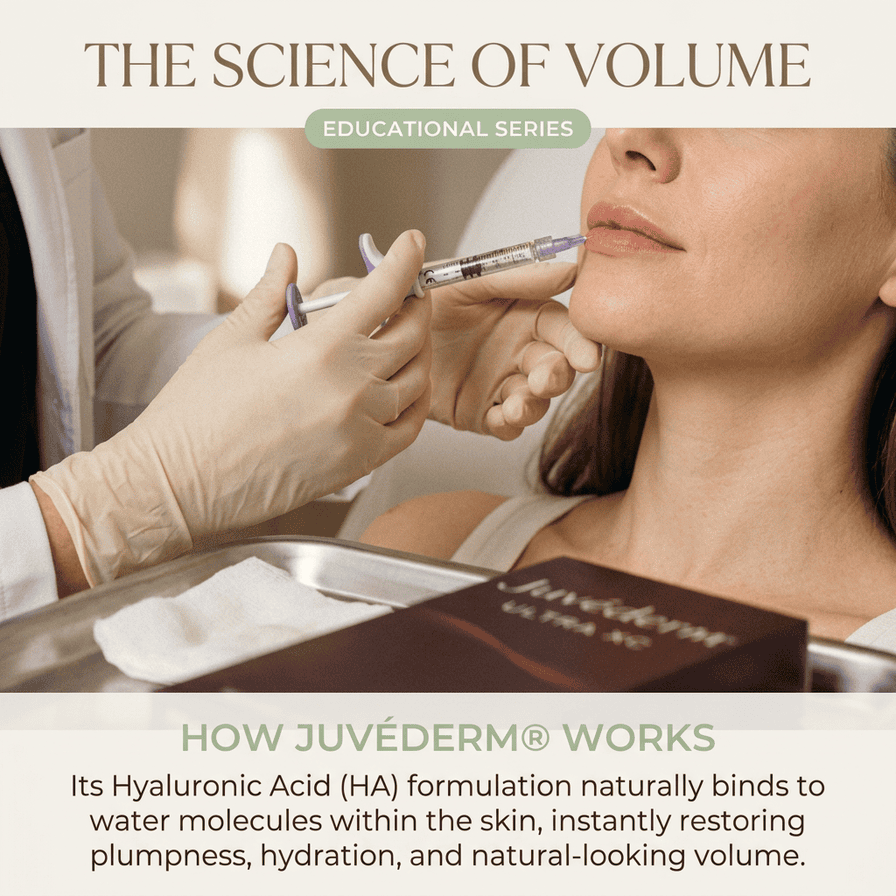
From a clinical standpoint, soft-tissue fillers are sophisticated, FDA-approved Class III medical devices designed to replace volume deficits, refine contours, and revitalize tissue quality from the inside out. In modern aesthetic medicine, these injectable biomaterials fall into two primary categories: space-occupying hyaluronic acid (HA) hydrogels—such as Juvéderm, Restylane, and Belotero—and bio-inductive collagen stimulators like Radiesse and Sculptra. Hyaluronic acid is actually a natural glycosaminoglycan that your body already manufactures, with nearly half of it residing in your dermis. Composed of repeating disaccharide chains of D-glucuronic acid and N-acetylglucosamine, native hyaluronic acid is nature's ultimate biological sponge, capable of holding up to one thousand times its own dry weight in water to keep your tissues cushiony and hydrated. In its raw biological state, however, your skin's natural hyaluronidase enzymes (HYAL1 and HYAL2) and free radicals break down native hyaluronic acid in just 24 to 48 hours. To transform this delicate sugar into a durable aesthetic filler that lasts anywhere from six months to over two years, scientists cross-link the chains using an advanced chemical linker called BDDE (1,4-butanediol diglycidyl ether), creating a supple, three-dimensional gel network. Under the careful guidance of Dr Cyrus, your dedicated filler specialist in Irvine, this cross-linked matrix integrates naturally into your facial tissues, providing instantaneous structural lift while remaining completely reversible whenever needed.
2. The Science, Rheology, And Advanced Chemistry Behind Modern Fillers
To truly appreciate why modern dermal fillers deliver such refined, natural outcomes, it helps to understand the fascinating physical science—known as rheology—that governs how these injectable hydrogels behave beneath the skin. When Dr Cyrus evaluates your facial structure at our Irvine practice, he selects specific fillers based on their precise elastic modulus, represented by the scientific symbol G' (pronounced "G-prime"), as well as their cohesivity. In simple terms, G' measures a gel's structural stiffness and lifting capacity—its ability to push upward against overlying skin and resist the downward mechanical drag of gravity and facial movement. High G' fillers, like Juvéderm Volux XC, Restylane Lyft, or undiluted Radiesse, act like firm architectural pillars when placed deep against the facial bone, making them ideal for carving out a sharp jawline or projecting a recessed chin. Conversely, when treating mobile, animated areas like the lips or smile lines, a specialist must select a filler with lower G' and high flexibility, such as Restylane Kysse or Defyne engineered with OBT (Optimal Balance Technology). These dynamic gels flex, stretch, and rebound harmoniously with every laugh, conversation, and smile, guaranteeing that your face never looks stiff or unnatural. Furthermore, advanced formulations like Belotero Balance utilize Cohesive Polydense Matrix (CPM) technology, allowing the gel to spread seamlessly between dermal layers without scattering blue light—an optical phenomenon known as the Tyndall effect that often causes an unsightly bluish discoloration when inferior products are placed superficially.
Beyond immediate hyaluronic acid gels, aesthetic medicine has made monumental leaps with bio-inductive stimulators that prompt your body to rebuild its own structural foundation. Radiesse, for example, combines smooth bioceramic microspheres of Calcium Hydroxylapatite (CaHA)—chemically identical to the natural minerals found in our bones and teeth—suspended within an aqueous carboxymethylcellulose (CMC) gel. While the CMC gel delivers immediate volume that gradually absorbs over eight to twelve weeks, the 25 to 45 micron CaHA spheres trigger a subclinical, therapeutic signaling cascade that prompts your dermal fibroblasts to generate rich, new matrices of Type III and high-tensile Type I collagen, along with youthful elastin and tiny capillaries. Similarly, Sculptra utilizes microparticles of Poly-L-Lactic Acid (PLLA) that stimulate progressive neocollagenesis over several months before breaking down cleanly through the Krebs cycle into water and carbon dioxide. Safety is paramount at every stage of filler design: the FDA mandates that residual unreacted BDDE cross-linker must remain strictly below two parts per million, and top-tier pharmaceutical manufacturers use days of continuous diafiltration to lower free residues to near-undetectable levels. When performing injections in Orange County, Dr Cyrus also leverages the shear-thinning properties of these non-Newtonian gels, utilizing ultra-smooth blunt micro-cannulas and fine-gauge needles to glide comfortably through tissue planes, minimizing bruising while ensuring absolute micro-vascular safety:
The G' Lifting Factor: High-elasticity gels provide robust structural lift on facial bones, while flexible, low-to-moderate G' gels move fluidly with dynamic smiles and speech.
Cohesive Tissue Integration: Proprietary manufacturing platforms (Vycross, XpresHAn, CPM) prevent filler clumping, allowing the gel to integrate smoothly into native tissue layers without visible lumps or edges.
Bio-Inductive Neocollagenesis: Biostimulators like Radiesse and Sculptra activate host fibroblasts, replacing lost volume with newly synthesized, dense Type I and Type III collagen networks that endure long after the carrier absorbs.
Ultra-Pure Biocompatibility: Advanced industrial purification ensures residual cross-linkers remain far below 2 parts per million, ensuring superior biocompatibility, minimal swelling, and exceptional tissue safety.
3. Key Treatment Areas And Transformative Results You Can Expect
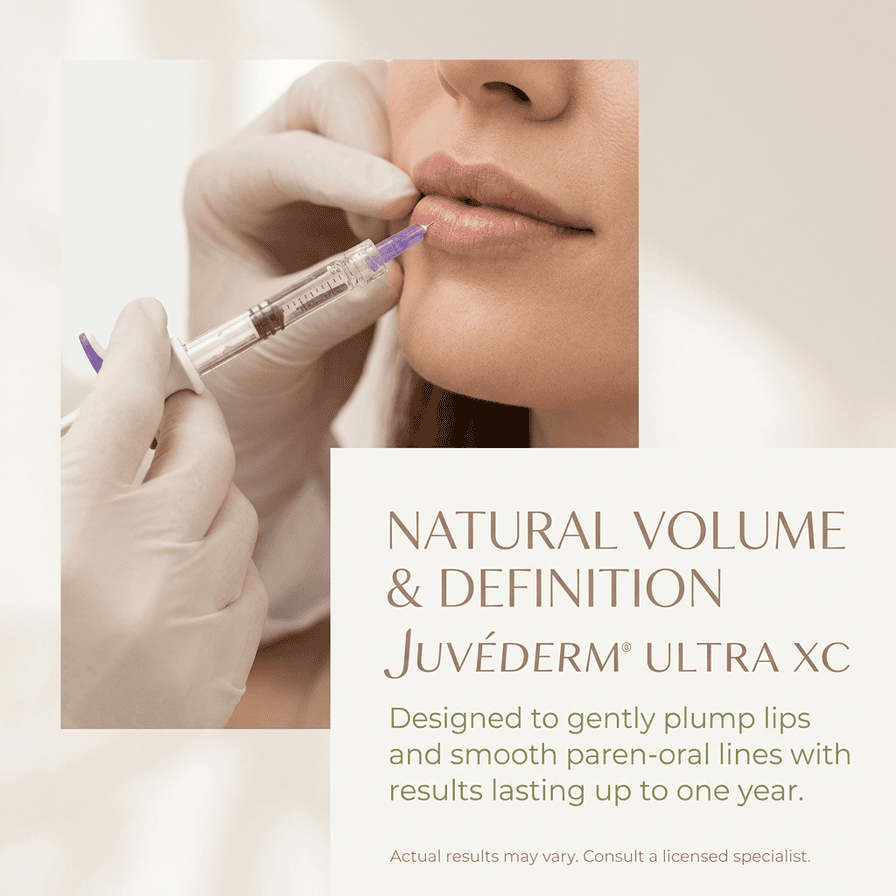
The versatility of modern dermal fillers allows Dr Cyrus to address virtually every dimension of facial aging and structural asymmetry across our Orange County patient community. In the midface, cheek contouring serves as the cornerstone of youthful rejuvenation. Rather than simply packing volume into the front of the face, Dr Cyrus strategically reinforces the deep medial cheek fat (DMCF) and sub-orbicularis oculi fat (SOOF), restoring the natural high-point of the cheekbone. This subtle architectural lift naturally relieves downward tension on the lower face, softening nasolabial folds (smile lines) without directly inflating them. For tired-looking eyes, under-eye tear trough filler is one of the most transformative procedures performed in our Irvine office. The skin beneath the eyes is the thinnest on the human body—measuring barely 0.3 to 0.5 millimeters—making it prone to hollowing and dark circles. By utilizing gentle micro-cannulas and feather-light, cohesive hyaluronic acid hydrogels placed deep along the infraorbital rim, Dr Cyrus erases deep shadow lines and smooths the transition between the lower eyelid and cheek, helping you look instantly refreshed and vibrant without puffiness. For the lips, Dr Cyrus rejects the cookie-cutter, overfilled "duck lip" look in favor of customized lip balancing. Utilizing flexible, tissue-integrating formulas like Restylane Kysse or Juvéderm Volbella, he delicately defines the vermilion border, restores lost hydration, and enhances natural curvature while preserving soft, pillowy movement that feels completely natural when you talk and smile.
Moving to the lower face and structural profile, Dr Cyrus utilizes high-density fillers to create striking definition and youthful harmony along the jawline and chin. As we mature, bone resorption along the mandible and descent of superficial jowl fat can blur the crisp distinction between the jaw and neck. By placing high G' structural hydrogels directly against the periosteal bone at the mandibular angle and chin pogonion (Layer 5), our Irvine specialist can sharpen a soft jawline, disguise early jowls, and project a retrognathic or recessed chin to balance your overall facial profile. In addition, temple hollows—an often overlooked area that can give the upper face an aged, gaunt, or "peanut-shaped" appearance—can be smoothly restored to re-establish an elegant, continuous oval silhouette. For patients seeking full-face skin rejuvenation rather than localized volume, Dr Cyrus also utilizes hyperdiluted Radiesse or Sculptra biostimulation across the lower cheeks, accordion smile lines, neck, and hands to reverse crepey skin texture and restore firm dermal elasticity. The longevity of your results is wonderfully rewarding: while soft, flexible lip fillers typically maintain their plush beauty for 6 to 12 months, deep structural cheek and jawline fillers routinely last 12 to 24 months, and collagen biostimulators provide sustained regenerative improvements that can flourish for well over two years.
4. Ideal Candidates, Safety Considerations, And What To Expect At Lux Medical OC
Because modern soft-tissue augmentation is so adaptable, a wide range of adults throughout Irvine and Orange County make fantastic candidates for dermal filler treatments. You are an ideal candidate if you are in your late twenties or thirties looking to gently enhance lip volume or sculpt subtle cheekbone definition, or if you are in your forties, fifties, or beyond seeking to restore lost midface volume, erase deep facial folds, and sharpen a softened jawline. However, because your long-term health and safety are Dr Cyrus's absolute top priorities, a comprehensive clinical consultation is essential before any product touches your skin. Certain medical conditions require postponing treatment, including active skin infections or breakouts at the injection site, pregnancy, breastfeeding, or underlying bleeding disorders. To ensure an easy recovery with minimal chance of bruising, our team advises patients to pause over-the-counter blood thinners (like aspirin, ibuprofen, fish oil, and high-dose vitamin E) and avoid alcoholic beverages for 48 hours prior to your visit. Furthermore, transparent medical education is a hallmark of our practice: facial filler injection is a true medical procedure involving high-risk vascular zones—such as the angular artery alongside the nose and the supratrochlear vessels on the forehead. Choosing an advanced specialist like Dr Cyrus ensures that these danger zones are navigated with rigorous anatomical precision, utilizing deep bone-contact placements or blunt-tipped micro-cannulas that gently displace blood vessels rather than piercing them.
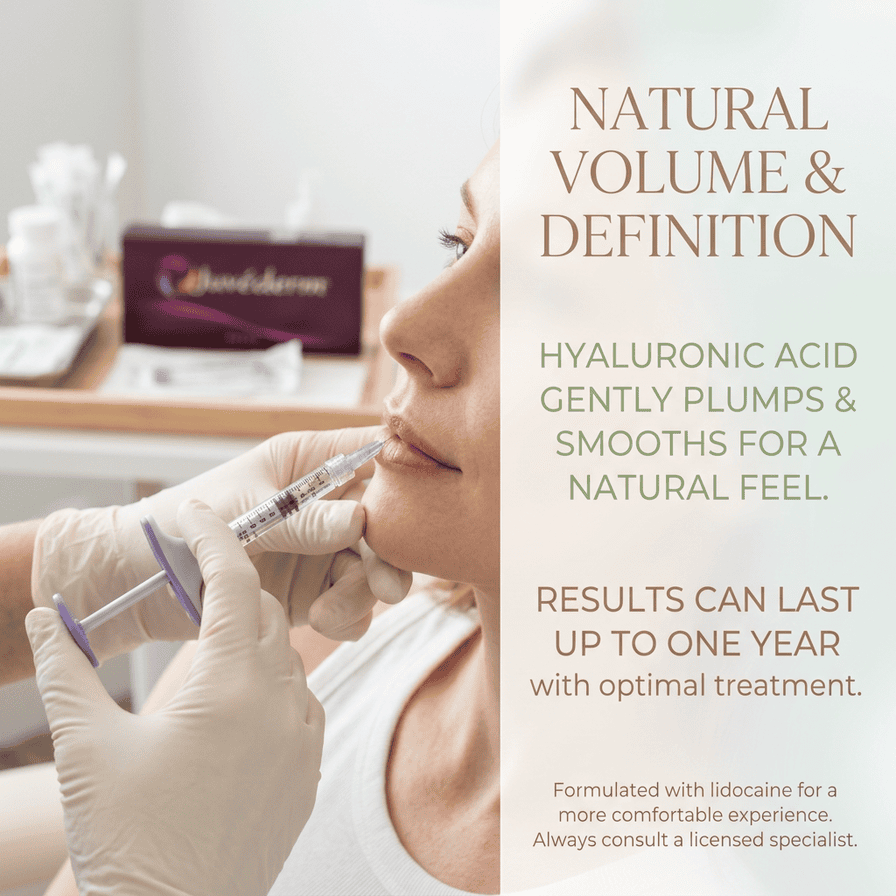
When you step into Lux Medical OC in Irvine for your filler appointment, you will immediately feel the warmth, professionalism, and thorough attention to detail that define Dr Cyrus's clinical practice. Your visit begins with a relaxed, in-depth dynamic assessment where Dr Cyrus studies your facial expressions, bone structure, and soft-tissue balance from multiple angles, collaborating with you to design a personalized treatment blueprint. We take patient comfort very seriously: topical prescription numbing cream is applied beforehand, the fillers themselves are co-formulated with 0.3% lidocaine to keep the treatment virtually painless, and Dr Cyrus's gentle micro-cannula technique ensures that most patients feel nothing more than a mild, momentary pressure. Most importantly, Lux Medical OC is fully equipped with advanced safety infrastructure, including immediate on-site access to high-dose pulsed hyaluronidase (an enzyme that can dissolve hyaluronic acid within minutes) and high-frequency ultrasound diagnostics for total clinical reassurance. You will leave our Irvine clinic with minimal downtime, able to resume your normal daily activities right away while keeping a few easy aftercare guidelines in mind—such as avoiding intense workouts, saunas, and facial pressure for the first 24 to 48 hours while your filler settles into flawless, natural perfection:
Step 1: 3D Anatomical Facial Mapping: Dr Cyrus conducts a thorough anatomical evaluation of your five facial layers, mapping out precise vectors and depths tailored specifically to your facial proportions.
Step 2: Gentle, Cannula-First Administration: Utilizing micro-fine blunt cannulas, gentle topical numbing, and integrated lidocaine, Dr Cyrus delivers smooth micro-aliquots with minimal sensation, swelling, or bruising.
Step 3: Comprehensive Medical Safety Readiness: Lux Medical OC maintains an immediate-access High-Dose Hyaluronidase vascular rescue protocol and ultrasound imaging to ensure absolute patient safety at every moment.
Step 4: Rapid Recovery & Natural Settling: You can immediately return to your normal routine in Orange County, with initial results visible right away that mature into seamless, hydrated harmony over 10 to 14 days.
5. Why Choose Dr Cyrus As Your Dedicated Dermal Filler Specialist In Irvine
Choosing the right injector for your face is one of the most critical decisions you will ever make for your health and appearance, and choosing Dr Cyrus as your dedicated filler specialist in Irvine ensures you are receiving the highest caliber of medical expertise, safety, and aesthetic discernment available in Orange County. Soft-tissue augmentation is not simply about pushing a syringe plunger; it requires a master surgeon's understanding of the five distinct facial layers—from the superficial epidermis and superficial fat down through the SMAS musculature to the deep fat compartments and periosteal bone. In inexperienced hands, improper placement can result in distressing complications, such as the unnatural "pillow face" of overfilled cheeks, visible lumps along the lips, or bluish shadows under the eyes caused by misjudging depth. Even more seriously, catastrophic complications like vascular occlusion—where misplaced filler compresses or blocks an arterial branch—require immediate, decisive medical intervention that untrained injectors simply cannot provide. Dr Cyrus eliminates these risks through meticulous anatomical mapping, conservative micro-dosing, and an unwavering commitment to natural proportions. He treats every patient with an artist's eye, never overfilling, but rather balancing light and shadow so you look vibrantly refreshed, never altered.
At Lux Medical OC, we believe that true luxury lies in authentic patient care, uncompromising safety, and empowering your personal self-confidence. We procure 100% authentic, FDA-approved dermal fillers and biostimulators exclusively through certified, authorized US pharmaceutical distributors—including Allergan Aesthetics, Galderma, and Merz—with verified tamper-evident seals and unbroken temperature monitoring, completely protecting you from the dangerous gray-market counterfeits that plague discounted medspas. When you visit Dr Cyrus in our modern Irvine office, you will never encounter high-pressure sales tactics or generic packages; instead, you will find an honest, compassionate physician specialist who listens deeply to your concerns and develops a tailored long-term plan for your facial wellness. Whether you are living in Irvine, Newport Beach, Laguna Beach, or anywhere in Orange County, you deserve the peace of mind that comes from being cared for by an expert who prioritizes your safety, natural beauty, and happiness above all else. We invite you to experience the transformative power of refined facial balancing. Contact Lux Medical OC today to schedule your private dermal filler consultation with Dr Cyrus, and take the first empowering step toward looking as vibrant and youthful on the outside as you feel on the inside.
Have more Questions ?
Frequently Asked Questions
Find clear, patient-friendly answers from Dr. Cyrus Sedaghat about pricing, comfort, downtime, results, and aftercare, so you can feel confident before booking.
Does getting Filler treatment hurt at all?
Not really! Dr Cyrus numbs the area first, so most folks at our Irvine office only feel a slight pinch. It is super quick and comfortable.
How long does Filler usually last?
Most results last anywhere from six months to two years depending on the area treated. Whenever you need a refresh, just pop into our Orange County clinic!
Are Filler treatments safe for my face?
Yes, they are completely safe when done by an experienced specialist like Dr Cyrus. We always chat with you first to create a look that feels completely natural.
When will I see my Filler results?
You will see instant volume and fullness right away! Any minor swelling settles down in a few days to reveal your smooth, refreshed look.
Can Filler be dissolved if needed?
Yes! Hyaluronic acid Filler can be easily and safely dissolved with an enzyme if you ever change your mind. You are always in full control of your results.