

Learn More ABOUT This Service
Dr Cyrus Sedaghat GLP-1 Guidance in OC
Meet Dr Cyrus Sedaghat in Irvine and Orange County for Semaglutide GLP-1 care. Get clear education, dosing guidance, and ongoing follow ups to stay on track.
How Semaglutide GLP-1 Works in Your Body
Semaglutide is a GLP-1 receptor agonist, which means it acts like a natural hormone your body releases after eating. GLP-1 receptors are found in key places that affect hunger, digestion, and blood sugar control. By activating these receptors, semaglutide helps your body respond to food in a more balanced way.
In simple terms, semaglutide supports three main systems at once. First, it helps the pancreas release more insulin when blood sugar is high and helps reduce glucagon, a hormone that raises blood sugar. This is why it is called glucose dependent and why low blood sugar is less common when it is not combined with certain diabetes medications. Second, it slows stomach emptying in the early period after meals, which can reduce sharp blood sugar spikes and helps you feel full longer. Third, it works on appetite centers in the brain to increase satiety and reduce hunger signals, which often leads to eating smaller portions and fewer snacks.

Because semaglutide is designed to last longer in the body than natural GLP-1, it can be dosed once weekly. Steady weekly dosing helps maintain consistent receptor activity, which is important for both appetite control and metabolic support.
Why Semaglutide Is So Effective for Many People
Many weight and metabolism programs struggle because hunger and cravings are driven by biology, not just willpower. Semaglutide targets that biology. People often describe less hunger, fewer cravings, and less fixation on food, which makes healthy choices feel more realistic to maintain.
Weight change is not only about eating less. As weight decreases, the body often fights back by increasing appetite hormones and lowering energy use. GLP-1 therapy can help counter part of that pushback by supporting fullness signals and reducing reward driven eating. This can make it easier to stay consistent with nutrition and activity over time.
Semaglutide may also improve markers tied to metabolic health. Many people see better blood sugar control, improved insulin sensitivity, and healthier triglycerides. These improvements matter because excess weight and high blood sugar can affect the heart, liver, and kidneys over time. The best results usually come from combining semaglutide with a practical eating plan, adequate protein, hydration, sleep, and regular movement that matches your lifestyle.

In Irvine and Orange County, many patients are looking for a plan that is both effective and sustainable. A structured approach with education and follow ups helps you get results while staying safe and informed.
What to Expect With Weekly Dosing and Progress
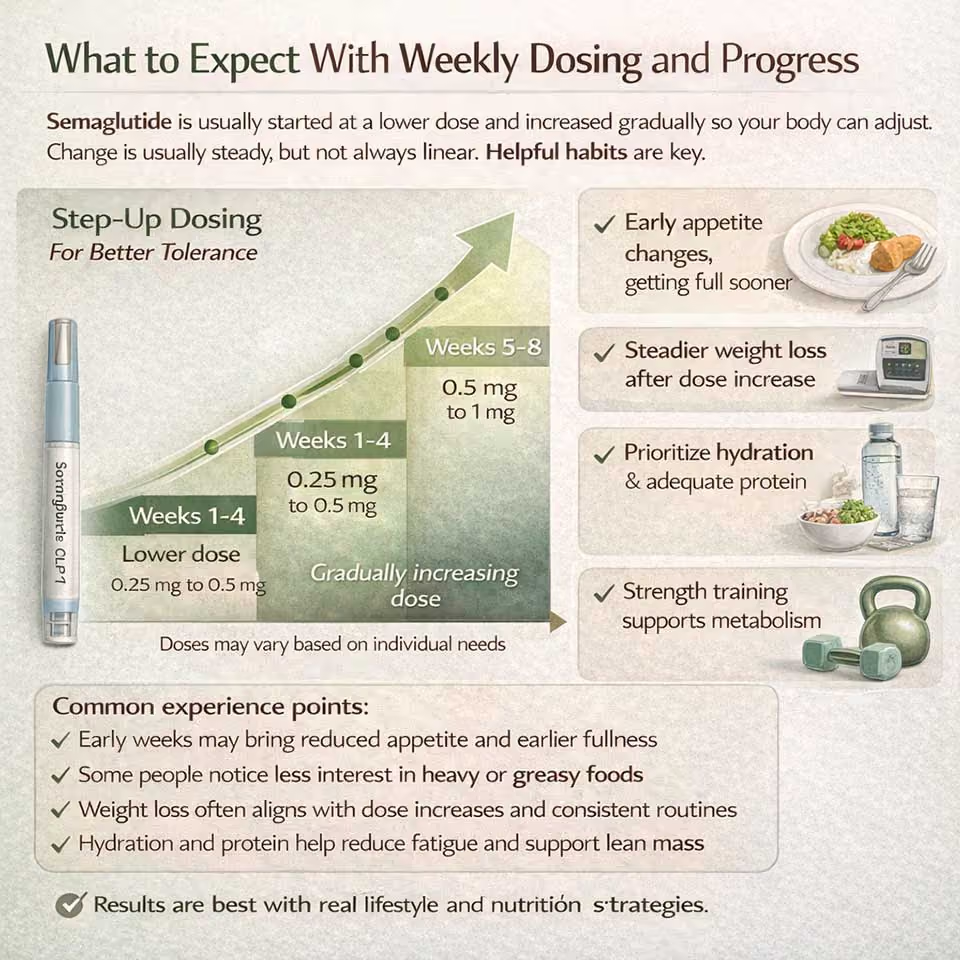
Semaglutide is typically started at a lower dose and increased gradually. This step up approach gives your body time to adjust and helps reduce side effects. Most people do not feel the full effect right away. Appetite changes often build over weeks as the dose is titrated and your routine becomes consistent.
Progress is not always linear. Many people lose more early, then slow down, then continue again. Plateaus are common and do not mean failure. They often signal that nutrition, protein, strength training, hydration, and sleep need small upgrades.
Common experience points include:
- Early weeks may bring reduced appetite and earlier fullness
- Some people notice less interest in heavy or greasy foods
- Weight loss often becomes clearer after dose increases and consistent routines
- Hydration and protein help reduce fatigue and support lean mass
- Strength training supports metabolism and improves body composition
Weekly injections are usually simple and quick. Rotating injection sites and keeping a consistent weekly schedule can help with comfort and routine. If you take oral medications, talk with your clinician about timing, because slowed gastric emptying can change how quickly some medicines feel like they work.
Safety, Side Effects, and Who Should Avoid It
Most side effects are digestive and are often most noticeable during dose increases. Many improve with time and with smart habits like eating smaller meals, avoiding very fatty meals, and staying hydrated. Nausea, constipation, diarrhea, and reflux are commonly reported. Going up in dose too fast is a frequent reason people feel worse than necessary.
There are also important situations where semaglutide may not be appropriate. People with a personal or family history of medullary thyroid cancer or MEN2 should avoid it. It is not used during pregnancy, and it may not be appropriate while breastfeeding. People with a history of pancreatitis, severe stomach or intestinal motility problems, or significant gallbladder disease need careful evaluation.
Contact your clinician promptly if you notice:
- Severe or persistent abdominal pain
- Repeated vomiting with inability to keep fluids down
- Signs of dehydration such as dizziness or very dark urine
- Symptoms of low blood sugar if you use insulin or sulfonylureas
- New severe heartburn or worsening swallowing symptoms
Safe use is about the right dose, the right pace, and ongoing monitoring. In Irvine and Orange County, patients often do best when they have clear guidance, a plan for managing side effects, and regular check ins to adjust the program based on real life feedback.
Semaglutide GLP-1 Care in Irvine and Orange County With Dr Cyrus Sedaghat
A successful GLP-1 program is more than a prescription. It is a care plan that includes education, goal setting, and follow ups so you can stay consistent and safe. Dr Cyrus Sedaghat provides structured semaglutide GLP-1 guidance for patients in Irvine and across Orange County with a focus on clarity and long term results.
Your plan typically includes an initial assessment, review of medical history, and discussion of goals such as weight management, appetite control, and metabolic support. Many programs also include baseline measurements and ongoing monitoring so progress is tracked beyond the scale, including energy, waist change, nutrition adherence, and side effect patterns.
Key elements of a strong program include:
- Personalized dose titration based on tolerance and response
- Simple nutrition guidance that fits your schedule and preferences
- Strategies to protect muscle with protein and strength training
- Practical coaching for hydration, constipation prevention, and nausea control
- Regular follow ups to adjust the plan and keep momentum
If you are seeking semaglutide GLP-1 support in Irvine or Orange County, working with Dr Cyrus Sedaghat helps ensure you understand how the medication works, how to use it safely, and how to build habits that keep results going.