

Learn More ABOUT This Service
Orange County Botox with Dr. Cyrus Sedaghat
Serving Orange County, Dr. Cyrus Sedaghat provides Botox in Irvine to soften lines, lift your look, and preserve expression with a tailored treatment plan.
Botox in Irvine and Orange County explained
Botox is a purified protein that relaxes targeted facial muscles that create expression lines. When a muscle contracts less, the skin above it folds less, so lines look softer and smoother. Dr. Cyrus Sedaghat uses precise placement and conservative dosing to keep your face looking natural, not stiff. Botox is most effective for dynamic lines, the lines that show up when you frown, squint, or raise your brows, and it can also help prevent those lines from deepening over time with repeat treatments.
Botox works locally where it is placed. It does not fill the skin or add volume. Instead, it reduces the muscle signal that causes repetitive folding of the skin. That is why many people choose Botox in Irvine for a refreshed look with minimal downtime, and why it remains one of the most popular aesthetic treatments across Orange County.

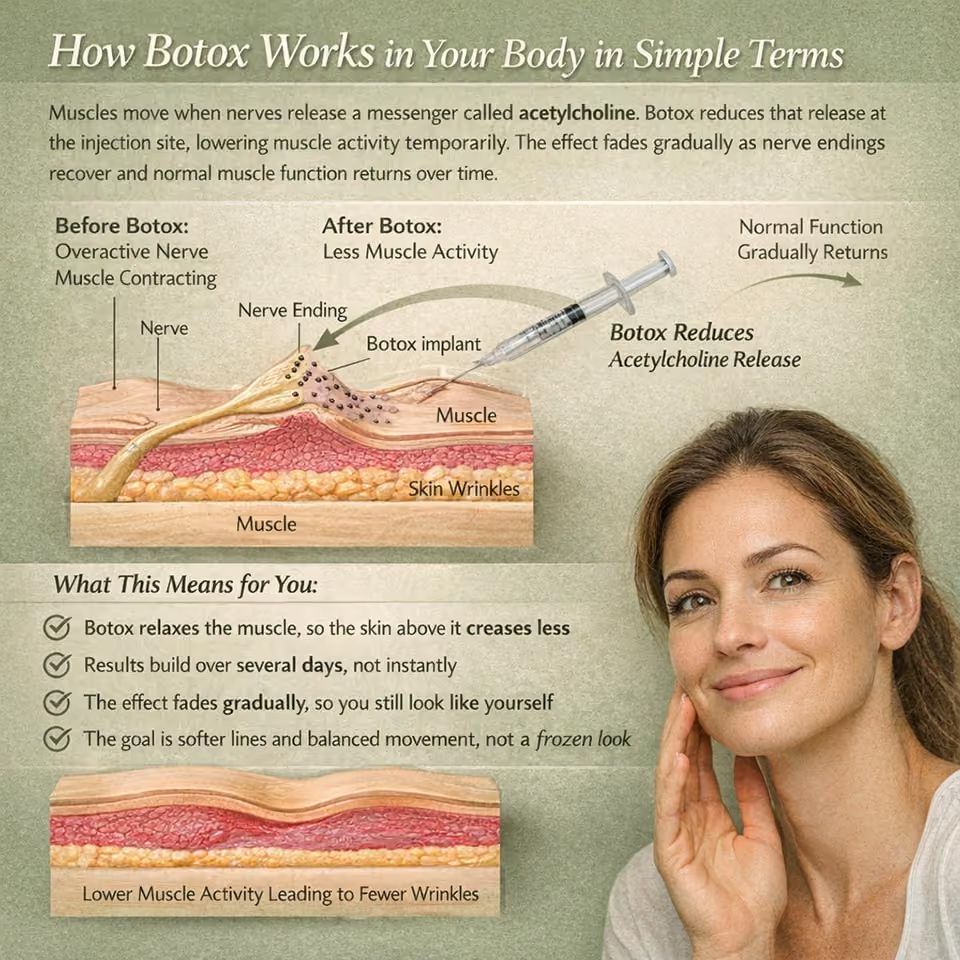
How Botox works in your body in simple terms
Muscles move when nerves release a messenger called acetylcholine. Botox reduces that release at the injection site, which lowers muscle activity for a period of time. The effect is temporary because the nerve endings recover and normal signaling gradually returns. This is why Botox is not permanent and why maintenance treatments are needed to keep results consistent.
What this means for you:
- Botox relaxes the muscle, so the skin above it creases less
- Results build over several days, not instantly
- The effect fades gradually, so you still look like yourself
- The goal is softer lines and balanced movement, not a frozen look
Dr. Cyrus Sedaghat tailors the plan to your facial anatomy and your goals. Two people can have the same line but need different dosing and placement, especially in areas like the forehead where technique strongly affects brow position and expression.
What Botox can treat and who it is for
Most people seek Botox to reduce the look of facial lines while keeping a natural expression. It is commonly used in Irvine and Orange County for areas where muscle movement causes creasing.
Common treatment areas:
- Frown lines between the brows
- Forehead lines
- Crow's feet around the eyes
- Bunny lines on the nose
- Chin dimpling
- Neck banding in selected cases
Botox can be a good fit if you want a noticeable but subtle improvement, prefer a quick visit, and want a treatment that does not change your facial structure. It is also useful if you are starting to see lines become more persistent even when your face is relaxed. During your consultation, Dr. Cyrus Sedaghat will look at your face at rest and in motion to decide what areas will respond best and what dose will look balanced.

What to expect at your Botox appointment in Irvine
A Botox visit is usually straightforward. The most important part is the assessment and plan, not the injection itself. Dr. Cyrus Sedaghat will discuss what bothers you, review your medical history, and evaluate how your facial muscles move. This helps avoid over treating and helps keep results even on both sides of the face.
Typical steps:
- Facial assessment with natural expressions
- Treatment plan with dosing goals for each area
- Cleansing the skin and marking key points
- Small injections placed with a fine needle
- Quick aftercare instructions before you leave
Most people describe the injections as brief pinches. The visit is commonly short, and you can usually return to normal activities the same day. Mild redness or small bumps at injection points can happen and typically settle within hours.
Results timeline, longevity, and aftercare basics
Botox is not instant. Many people notice early changes within a few days, with smoother looking lines developing over about one to two weeks. The effect typically lasts around three to four months, but it varies based on your metabolism, muscle strength, dose, and the treated area. Some people find the first treatment wears off sooner, then later treatments last longer as muscles learn to contract less forcefully.

Simple aftercare tips to protect your result:
- Stay upright for several hours after treatment
- Avoid rubbing or massaging the treated areas the same day
- Skip intense exercise for the rest of the day unless advised otherwise
- Avoid facials or heavy pressure on the face for at least 24 hours
- Follow your provider's guidance if you have a special event coming up
Safety matters. Choose an experienced injector, especially for the forehead and around the eyes where small placement differences can change expression. Dr. Cyrus Sedaghat focuses on accurate anatomy based placement and conservative dosing so you can look refreshed across Irvine and Orange County while still looking like you. Possible side effects include temporary bruising, swelling, headache, or asymmetry, and rare complications can occur, which is why a personalized plan and proper technique are essential. If you are pregnant, breastfeeding, have certain neuromuscular conditions, or have had a prior reaction to botulinum toxin products, disclose this during your consultation so the safest plan can be chosen.