
Learn More ABOUT This Service
GHK-Cu Peptide Therapy in Orange County
Unlock your best skin with Dr. Cyrus Sedaghat in Irvine. Our GHK Cu Peptide therapy in Orange County boosts natural healing and collagen synthesis.
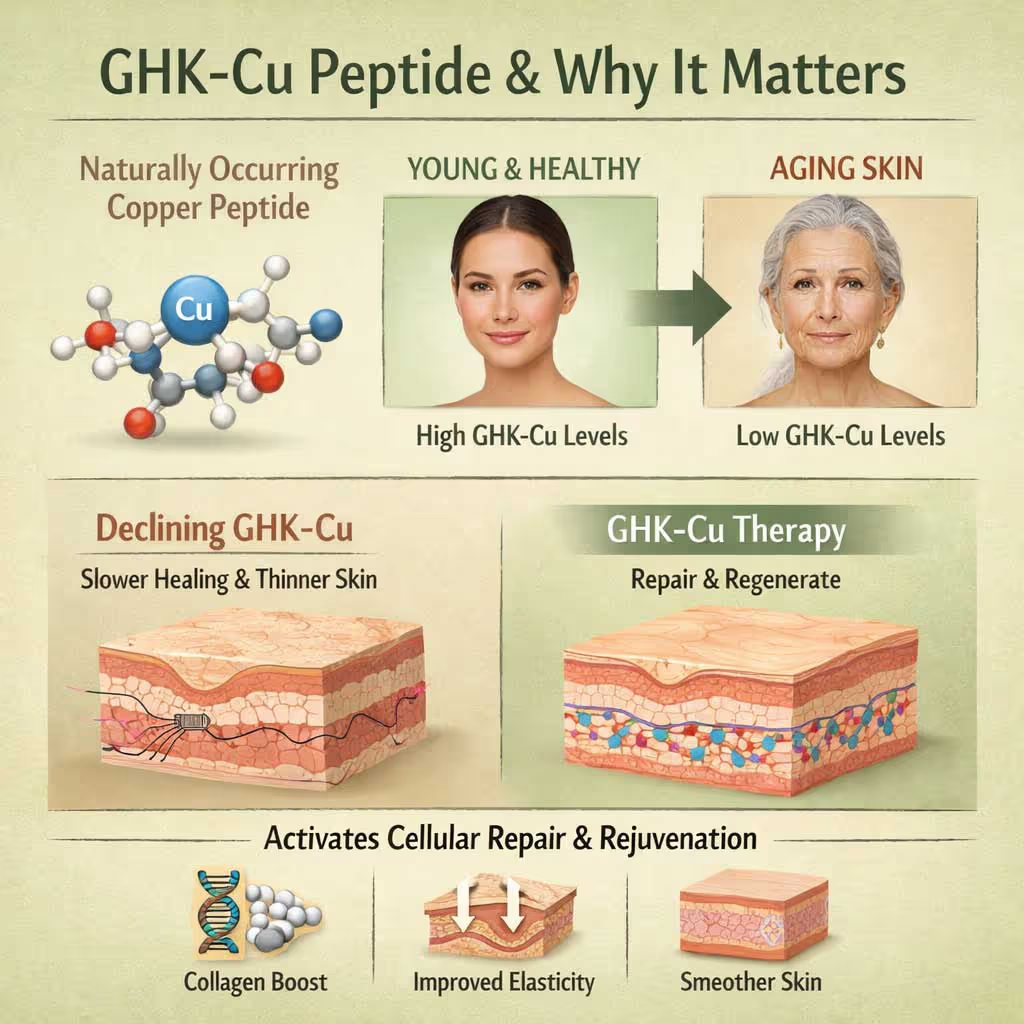
What Is GHK-Cu Peptide and Why It Matters
GHK-Cu Peptide is a naturally occurring copper-binding peptide found in the human body. When we are young, our bodies produce more of it, supporting fast healing, firm skin, and healthy tissue. As we age, natural levels decline, which is closely linked to slower repair, thinner skin, and visible signs of aging. GHK-Cu Peptide Therapy is designed to restore this signal and remind your cells how healthy, youthful skin is supposed to behave.
This peptide works as a cell messenger, not a filler or a surface treatment. It communicates directly with skin and connective tissue cells, helping them repair damage, rebuild structure, and function more efficiently. This is why GHK-Cu is widely considered one of the most advanced and effective peptides used in regenerative and anti-aging treatments today, especially in medical aesthetics and peptide therapy in Irvine and Orange County.
How GHK-Cu Peptide Works Inside the Skin
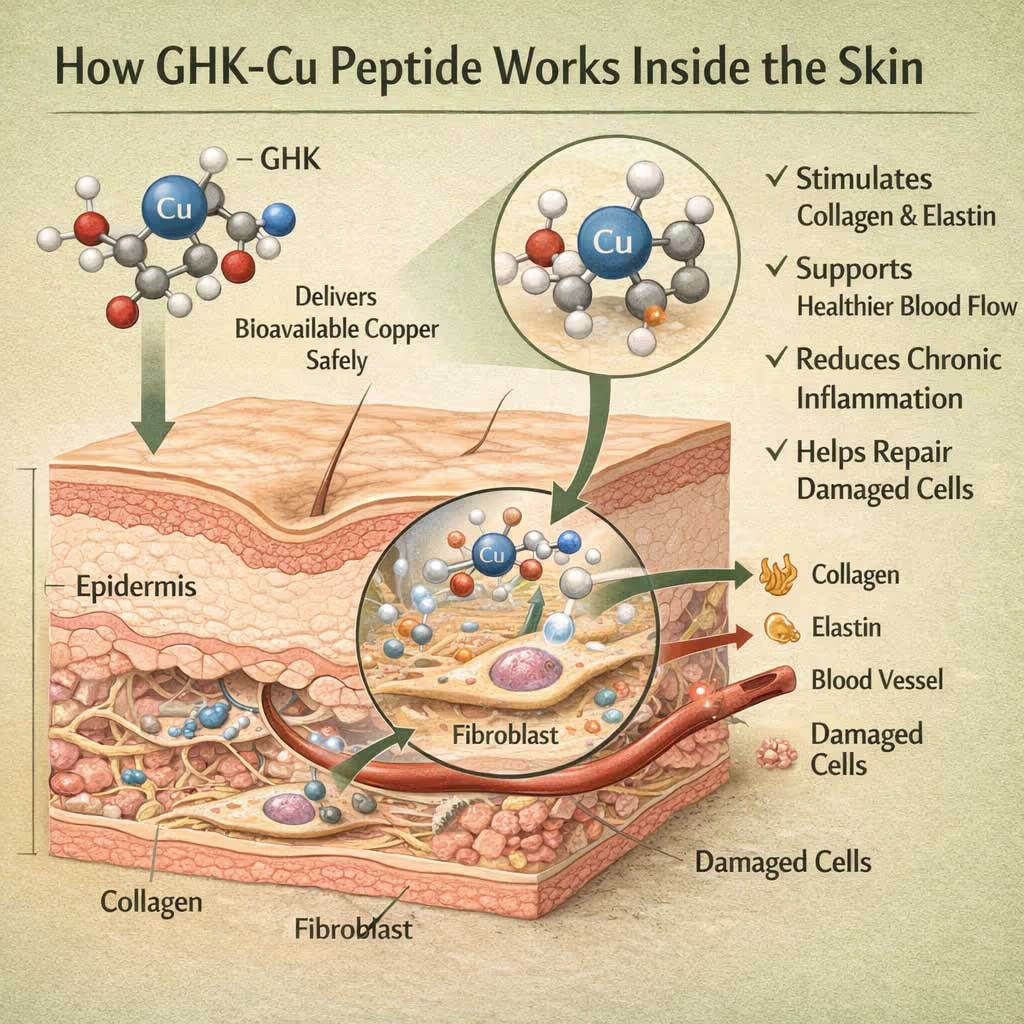
GHK-Cu Peptide works by delivering bioavailable copper into cells in a safe and controlled way. Copper is essential for skin health, but free copper can be harmful. GHK acts like a smart carrier, bringing copper exactly where it is needed and activating repair pathways without overstimulation.
Once inside the tissue, GHK-Cu interacts with cells responsible for skin strength and elasticity, especially fibroblasts. These cells control collagen, elastin, and other structural components that keep skin smooth and firm. Instead of forcing results, the peptide gently shifts cellular activity toward healing and renewal.
Key biological actions include:
- Stimulating collagen and elastin production
- Supporting healthier blood flow in skin tissue
- Reducing chronic inflammation that accelerates aging
- Helping damaged cells repair instead of shutting down
This multi-pathway approach is why GHK-Cu Peptide Therapy is often described as “regenerative” rather than cosmetic.
Skin Rejuvenation, Anti-Aging, and Visible Results
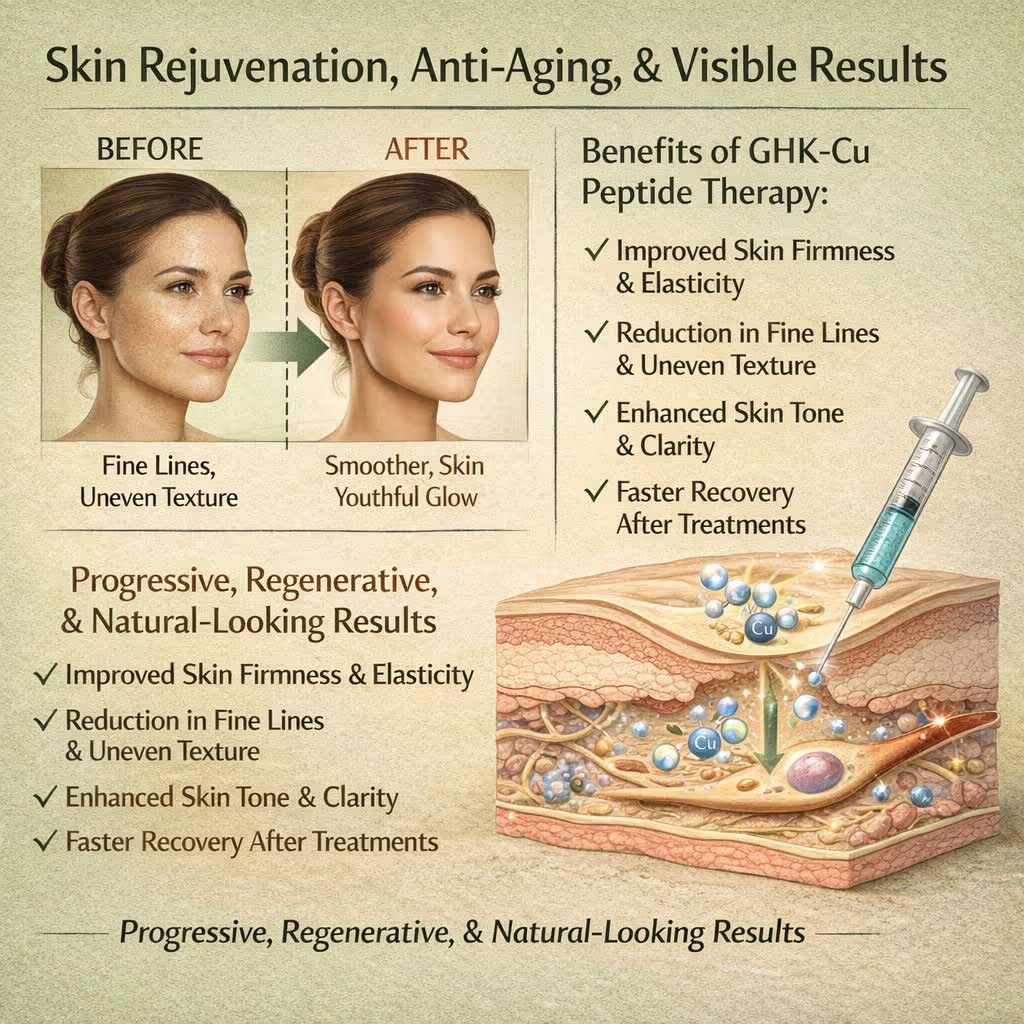
GHK-Cu Peptide does not mask aging—it addresses the underlying causes. By improving how skin cells behave at the molecular level, it gradually improves skin quality, texture, and resilience. Many patients notice that their skin looks healthier overall, not just smoother in one area.
Benefits commonly associated with GHK-Cu Peptide Therapy include:
- Improved skin firmness and elasticity
- Reduction in fine lines and uneven texture
- Enhanced skin tone and clarity
- Faster recovery after aesthetic treatments
Unlike harsh resurfacing treatments, GHK-Cu supports your skin’s natural repair cycle. Results build progressively, which helps them look natural and long-lasting. This makes the therapy especially attractive to patients in Orange County looking for advanced anti-aging solutions without aggressive downtime.
Beyond Aesthetics: Healing, Inflammation, and Cellular Health
One of the reasons GHK-Cu Peptide is so highly respected is that its benefits go beyond appearance. It was originally studied for wound healing and tissue repair, not beauty alone. The same mechanisms that help heal injuries also slow down visible aging.
GHK-Cu helps regulate inflammation, which is a major contributor to skin aging, redness, sensitivity, and slow recovery. By calming inflammatory signals, the peptide allows cells to focus energy on rebuilding rather than defending against constant stress.
This broader impact supports:
- Healthier skin barrier function
- Faster healing from procedures or sun damage
- Improved overall skin resilience
- Better long-term tissue quality
Because of these effects, GHK-Cu Peptide Therapy is often chosen by patients who want both aesthetic improvement and real biological benefits.
Advanced Peptide Therapy in Irvine and Orange County
GHK-Cu Peptide Therapy offered under the care of Dr. Cyrus Sedaghat is tailored to patients seeking medically guided, science-backed peptide treatments in Irvine and Orange County. This therapy reflects a modern approach to aging—supporting the body’s natural systems instead of working against them.
By targeting cellular communication, collagen signaling, and inflammation control, GHK-Cu Peptide Therapy represents a new generation of anti-aging and regenerative medicine. It is ideal for individuals who want smoother, firmer, healthier-looking skin while also investing in long-term skin health at the cellular level.
GHK-Cu is not just another skincare ingredient. It is a powerful peptide signal that helps your skin remember how to repair, rebuild, and renew itself—naturally and intelligently.